
Texas Secures Its Position as a National Leader in Dementia Research
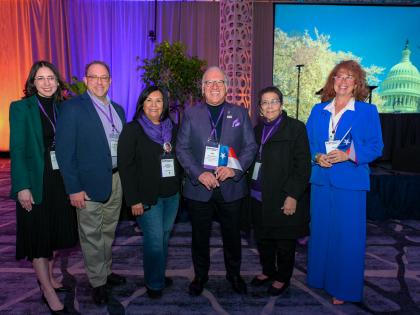
Texas voters have made history. With the passage of Proposition 14, Texans have approved a $3 billion investment to launch the Dementia Prevention and Research Institute of Texas (DPRIT) — the largest state-funded dementia research initiative in the nation.
This vote is more than a policy win — it’s a powerful mandate to accelerate progress against Alzheimer’s and other dementias. Texans overwhelmingly chose to invest in hope, innovation, and solutions for the millions of families affected by these devastating diseases.
The Alzheimer’s Association and AIM are proud to support this transformative initiative and will continue working with state leaders to ensure DPRIT delivers on its promise to discover effective preventions, treatments and cures.
Together, we’re changing the future of dementia — for Texas and the nation.
Texas State Alzheimer’s Plan Overview

In March 2009, the Texas Council on Alzheimer’s Disease and Related Disorders and the Texas Department of State Health Services Alzheimer’s Disease Program formed a steering committee charged with developing the state's response to Alzheimer’s disease. Working with a statewide partnership, representatives from the health care sector, community organizations, academia, state agencies, businesses and families impacted by Alzheimer’s drafted Putting the Pieces Together: A Comprehensive Plan for Addressing the Burden of Alzheimer’s Disease in Texas 2010-2015. The plan was published in September 2010. As a result of Senate Bill 999 passed in 2019, the Texas Department of State Health Services was required to collaborate with stakeholders to develop a new five-year state plan. In 2019, the Texas Department of State Health Services released the 2019-2023 State Plan for Alzheimer’s Disease.
Texas 2026 Policy Priorities

Establish Texas MemoryNet to Increase Access to Diagnosis
Nearly 460,000 Texans are living with Alzheimer’s, but nearly half of them are not formally diagnosed. A timely diagnosis is the first step in ensuring that individuals living with dementia can benefit from care planning, clinical trials and new treatments, which can improve the quality of life and reduce the financial and emotional burden on caregivers. The Alzheimer’s Association is calling on state lawmakers to establish a network of memory assessment clinics to ensure more Texans can receive an accurate and timely diagnosis.

Medicaid Reimbursement for Care Planning and Cognitive Assessments
Early intervention can provide individuals living with dementia more time to plan for the future, adopt early lifestyle changes, participate in clinical trials and live more fully with a higher quality of life for as long as possible. Medicare beneficiaries in Texas have access to a billing code that covers cognitive assessments and care planning. However, individuals under 65 relying on Medicaid do not have access to this critical service. With current promising treatments only effective in the early stages of the disease, getting an early diagnosis is more important than ever. The Alzheimer’s Association is calling on state policymakers to add CPT Code 99483 to the State Medicaid plan.
Sign Up to Learn About Advocacy Opportunities in Texas
Find My Chapter
Together, we’re making an impact. Find an Alzheimer’s Association chapter in your community for more ways to engage.
Contact Us
State Affairs Contact: Tory Roberg
Phone: 602.782.3621
Email: troberg@alz.org
459,300
people living with Alzheimer’s in Texas
1,287,000
Texans are providing unpaid care
$4.47 Billion
Medicaid cost of caring for people living with Alzheimer’s (2025)
9,887
deaths from Alzheimer’s (2024)
22%
in hospice with a primary diagnosis of dementia
150.1%
increase of geriatricians in Texas needed to meet the demand in 2050
Resources to Drive Change in Texas
The following resources developed by AIM and the Alzheimer’s Association will help you learn more about the issues impacting people living with Alzheimer’s and their caregivers, how Texas policymakers are addressing these gaps, and how you can help drive change.